Dry Again: El Niño, Drought and the Water Lessons Jamaica Keeps Relearning
In 2014, in the middle of a severe drought, I argued that Jamaica's water crisis was also an opportunity. With El Niño bringing drought and extreme heat once again, the argument still holds, and so do most of the solutions.
 Dr. Peter Edwards
4 min read
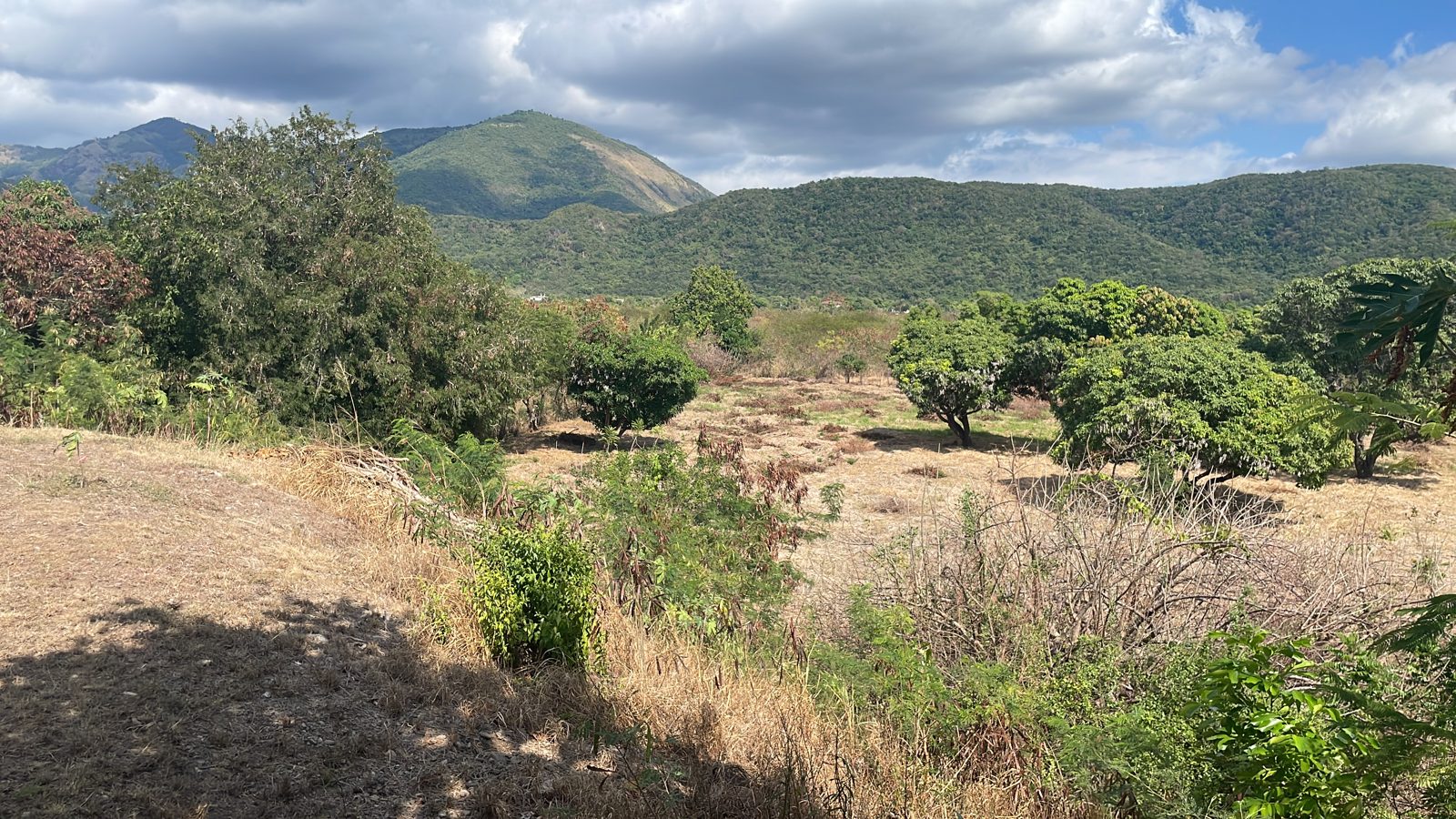
Every few years the pattern repeats. The rains fail, rivers shrink to a trickle, water lock-offs return and farmers watch their crops wilt. This year El Niño is once again tilting the odds toward a drier, hotter Jamaica. El Niño is a natural climate cycle that we cannot stop, and a warming climate is making the dry spells that come with it hotter. But whether a dry year becomes a crisis is largely up to us. In July 2014, in the middle of another severe drought, I wrote that our water woes were “a symptom of our own failure to seriously address the problem of water collection, storage and distribution.” Rereading that piece today, what strikes me is not how much has changed, but how much has not.
Forests are water infrastructure
Water security means having enough clean water for food, industry, sanitation and health, and it starts in the hills. Forested watersheds catch rain, slow it down and let it soak into the soils and aquifers that feed our springs and rivers. Strip those hillsides through deforestation, unplanned development and river sand mining, and the rain runs off fast, carrying topsoil with it, and the rivers run dry sooner when the rains stop. I have watched this happen in the Yallahs River valley in St Thomas, where my family farms. Between water being piped from the Yallahs to Kingston since the 1980s, sand mining and deforestation upstream, the irrigation canal that once ran through our farm has been dry for years. In 2013 a bush fire swept up the valley during a drought, and with no water in the canal to wet the land, we could not slow it. The same soil that washes off these slopes in heavy rain ends up smothering coral reefs downstream. Protecting and restoring watersheds is not an environmental luxury. It is the cheapest water infrastructure we have.
Store more, lose less
Jamaica does not lack rain over the course of a year. It lacks the means to capture and keep it. As I argued in 2014, the solutions come in two forms. The decentralized approach includes gutters and household catchment tanks like those long used in Manchester and South St Elizabeth, rainwater harvesting on farms, schools and public buildings, and a serious national push on conservation. The centralized approach includes repairing and expanding reservoirs, making better use of river diversions, cutting the water lost to leaking pipes and unauthorized connections, and practising integrated watershed management across agencies. Some ideas deserve a fresh look, such as studying whether mined-out bauxite lands could be engineered into reservoirs. In both approaches, solar and wind power can run the pumps and cut the energy cost of moving water.
Beware the quick fix
Droughts invite quick fixes. Cloud seeding offers uncertain results. Desalination has its place, but it is expensive and energy-hungry, and the hyper-saline brine it releases near the shore can harm seagrass, fish and coral on coastlines already under stress. It should be the last resort, not the first choice. We already have a long list of proven solutions. The challenge is to implement them before the next dry season, not during it.
Water security is food security
Every drought is also a food security crisis. When rain-fed farms fail, prices rise and the food import bill grows. Efficient irrigation should be a national priority: drip systems, greenhouses, on-farm water storage, mulching, and diverse tree crops that hold soil and moisture. Making agriculture attractive to young, trained Jamaicans, and turning farm waste into compost or energy, would build a farming sector that can ride out dry years instead of collapsing in them. This is not abstract for me. Managing our family fruit farm from abroad during this El Niño has been a daily lesson in what happens when irrigation is not there when you need it.
From crisis to plan
None of these ideas is new, and that is the point. Drought in Jamaica is a chronic condition that flares into a crisis whenever El Niño comes around. Treating it as a chronic condition means acting in the wet years: protecting watersheds, building storage, fixing leaks and investing in irrigation, so that the next El Niño is a hardship, not an emergency. As I wrote in 2014, time is running out. We must seize the day.
Adapted and updated from “Jamaica in a time of crisis must look for opportunities,” an op-ed Peter Edwards wrote in July 2014 during that year's drought.