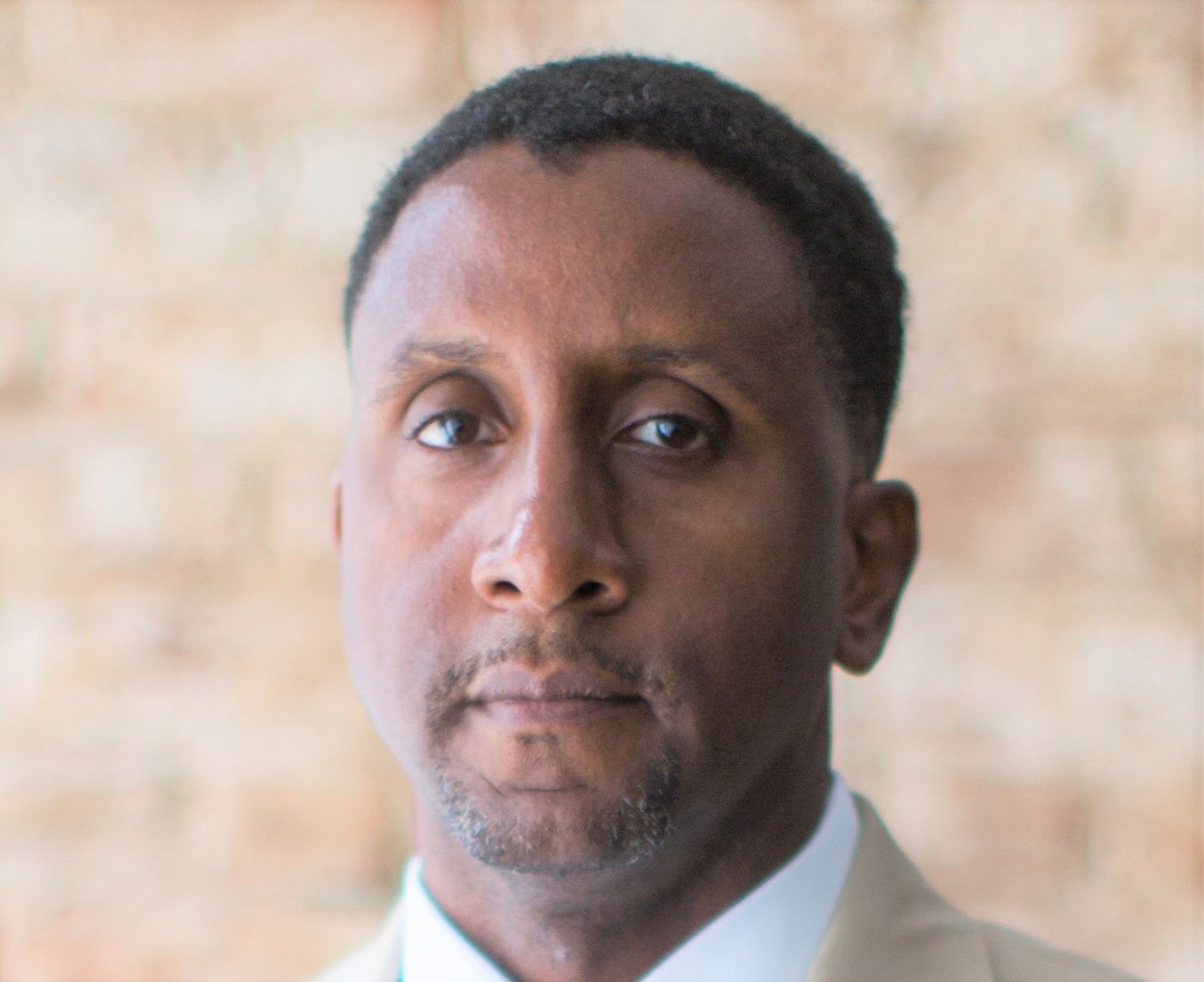
Between the beach and the countryside
I grew up in Jamaica, and some of my earliest memories are of summers split between two worlds: days at the beach and weeks in the rural hills with my grandparents. One taught me to love the sea, the other the land and the people who work it. I did not know it then, but I would spend the rest of my life moving between those two places, and trying to understand how they are connected.
Learning the sea
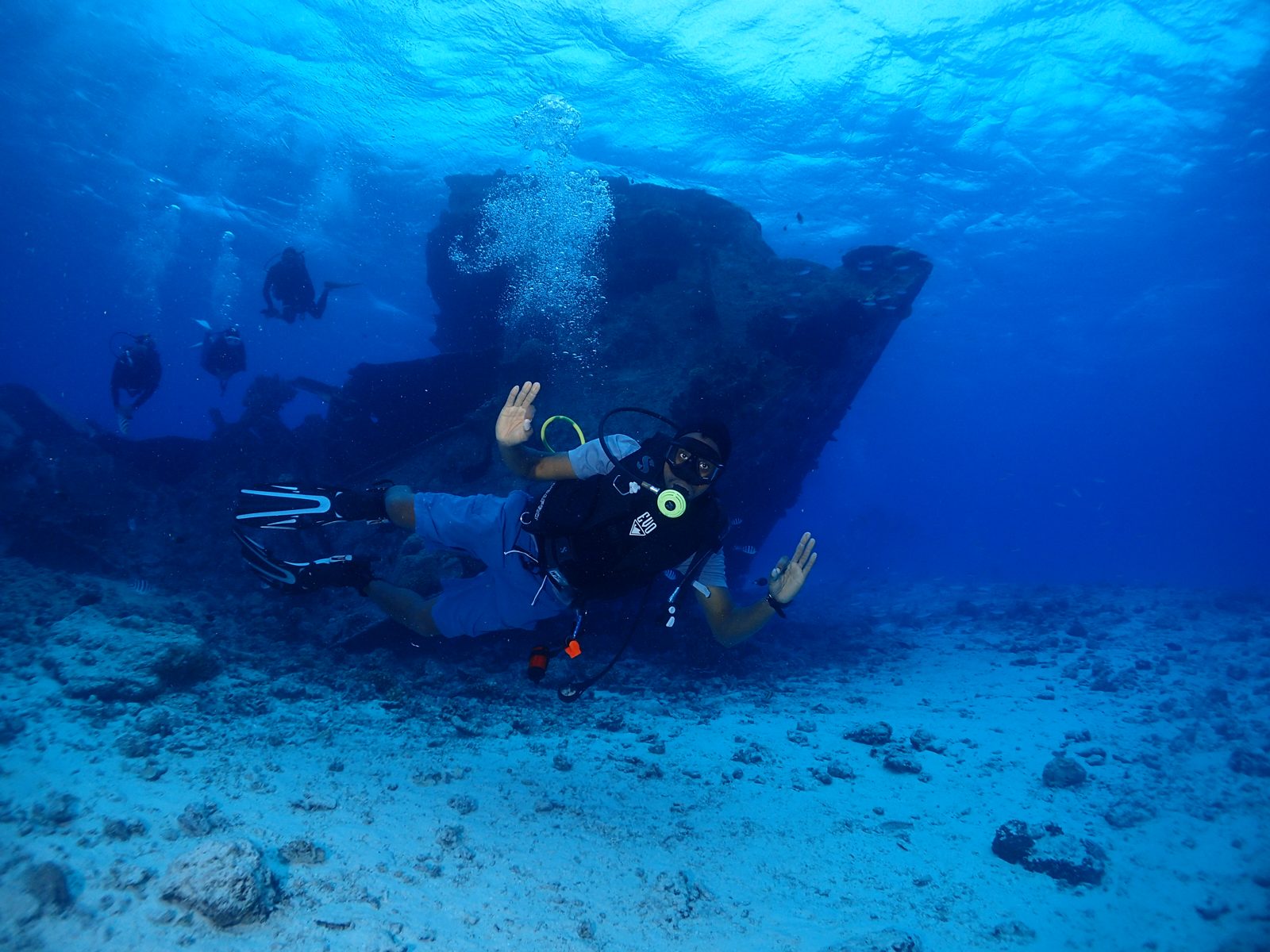
I studied zoology and then marine sciences at the University of the West Indies, Mona. As an undergraduate in 1992, I spent a summer with the Natural Resources Conservation Division, now NEPA, travelling the island to inspect Jamaica's public beaches. Before moving abroad, I worked in Jamaica as a research scientist at UWI and as a private environmental consultant. Diving on our reefs, I saw first-hand how fast they were changing, and how little the science seemed to change the decisions that were driving that decline.
Why a marine scientist became an economist
That gap led me to the University of Delaware, where I earned a PhD in marine studies focused on environmental economics, including environmental taxation and tourism. I became convinced we needed to improve the link between the biological and ecological sciences and the human dimension: how people affect natural resources, and how those resources support people. Good ecological data matters. But decisions are made in the language of costs, benefits and livelihoods, and scientists have to be able to speak it.
Measuring what reefs are worth
At the U.S. National Oceanic and Atmospheric Administration, I served as economist and social science coordinator for the Coral Reef Conservation Program. I led household surveys across U.S. coral reef jurisdictions, coordinated the global Socioeconomic Monitoring Initiative for Coastal Management, known as SocMon, and worked on surveys of subsistence fishers and on valuing the services reefs provide. I also lent my voice to NOAA's short video “The Coral Reef Economy.” In Jamaica, I served as an expert witness for the government in a ship-grounding case, an experience that showed me how much our laws still need the kind of valuation evidence I had spent years producing. Today I continue that work in conservation science and finance at The Pew Charitable Trusts.
Back to the land
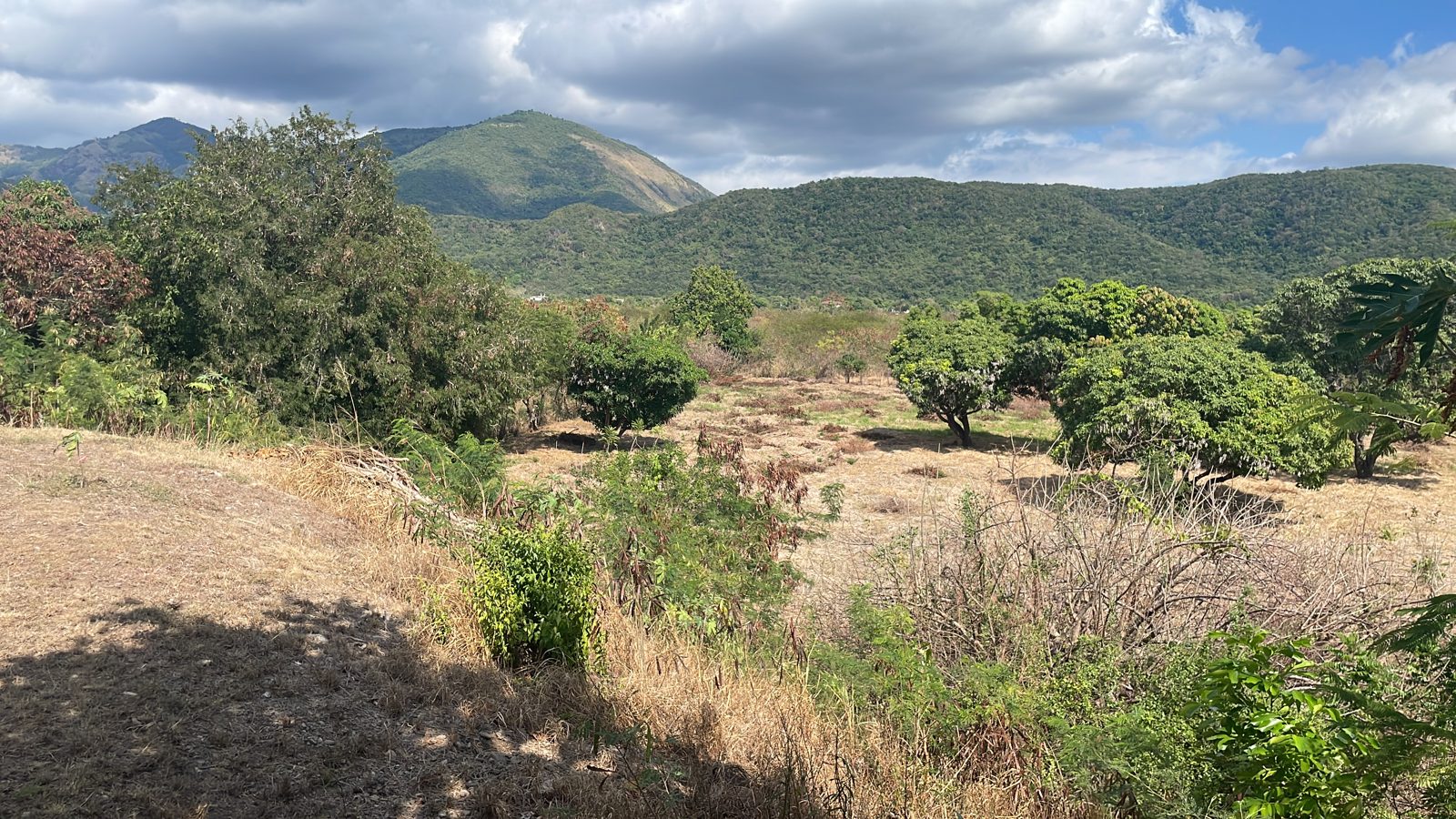
Through all of this, one piece of Jamaica has stayed constant: my family's farm in the Yallahs River valley in western St Thomas, which my father bought in 1969. The valley is mango country. I watched our irrigation canal run dry after water from the Yallahs began to be piped to Kingston in the 1980s, and in 2013 a bush fire, racing through drought-dry land with no water to stop it, nearly took the family home. Those experiences are why I write so often about watersheds, water sharing and drought. They are not abstractions to me.
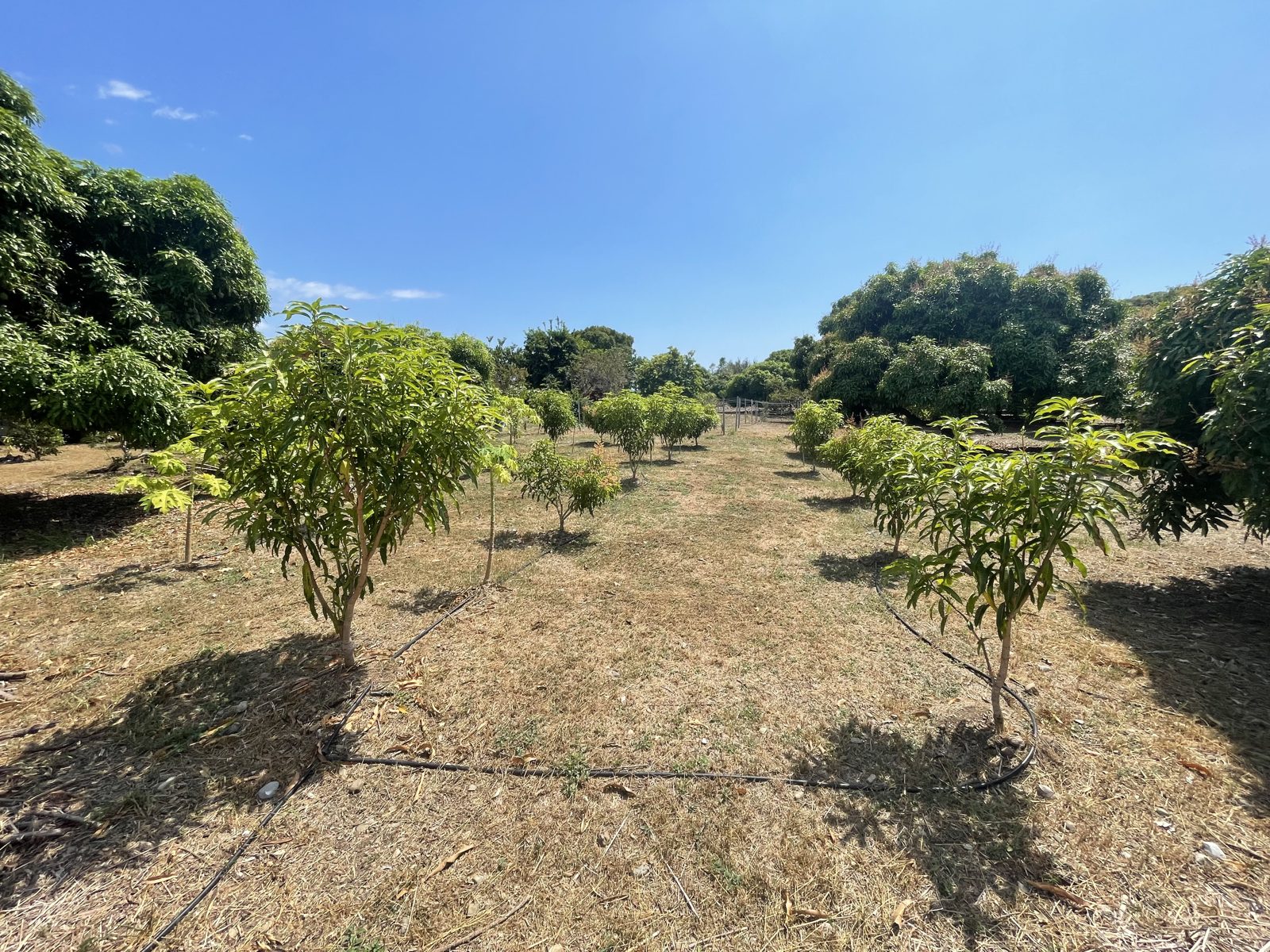
Today I am carrying my father's work forward as Epprol Farms, expanding the orchard with high-density mango plantings and a mix of tropical fruit, and investing in rainwater harvesting so the farm is less at the mercy of the next dry season. We share the day-to-day on Instagram and YouTube as Edwards Fruits Jamaica.
Farming from a distance
Running a farm in Jamaica while living and working abroad is its own education. It depends on trust and on a good local team, on photos and video calls, and on learning to make decisions about soil, water and harvests from a thousand miles away. It has taught me humility. Weather, markets and people make decisions for you when a plan ignores them. This year's El Niño drought, without reliable irrigation, has been a daily reminder. It has also made me a better economist: I now feel in my own budget the trade-offs I once only measured in surveys. And wherever I have lived, I have kept a garden, a small patch of soil that keeps me connected to growing things between trips home.
Why EcoNexus
For more than twenty years I have written op-eds and letters for the Jamaican press on fisheries, water, beaches, climate and the economics of nature, many with fellow council members of the Jamaica Institute of Environmental Professionals. As Environment Sector Lead for the Global Jamaica Diaspora Council, I work with Jamaican environmental professionals at home and abroad. EcoNexus brings those threads together: the reef and the ridge, the science and the economics, the policy and the farm. It is a place for evidence-based conversations about how small islands can restore nature, feed themselves and build economies that last.
Beyond work
When I am not writing, diving or walking the orchard, you will find me on a long run or training for a triathlon, or in the kitchen experimenting with Caribbean fusion cooking.